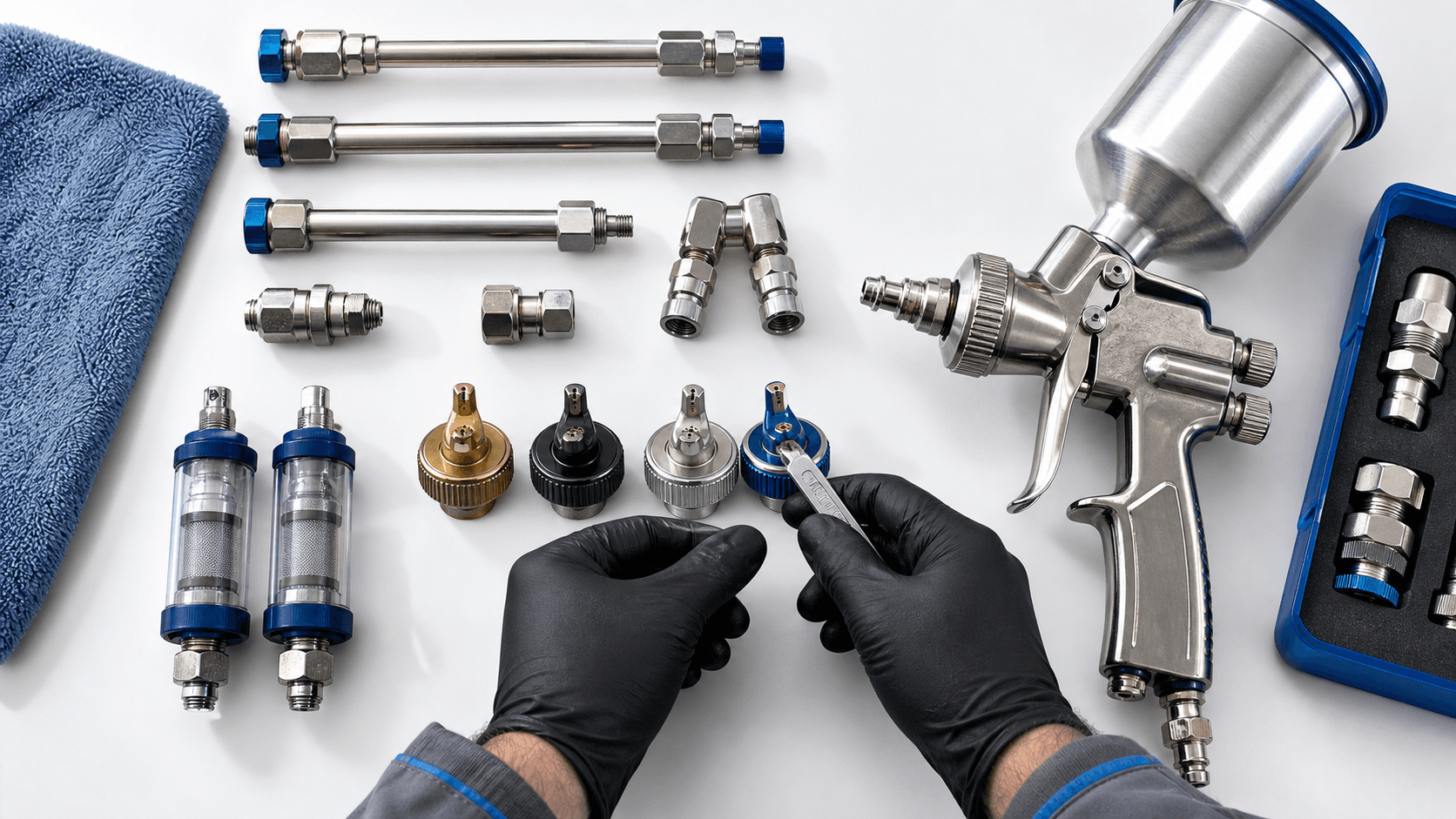
Keep Your Airless Paint Sprayer Running Season After Season
An airless paint sprayer is one of those tools that pays for itself in time saved and smoother finishes. When it is running right, you move faster, lay down better coats, and keep jobs on schedule. When it is not, you lose hours fighting overspray, clogs, and weak pressure.
Seasonal maintenance habits keep your sprayer dependable instead of unpredictable. With a simple year-round rhythm, you can cut down on mid-job breakdowns, protect your pump and hoses, and stretch the life of your gear. Below, we walk through a practical season-by-season plan that fits how contractors and serious DIYers actually work.
Fall Shutdown Habits That Prevent Winter Damage
For many crews, fall is the true reset point. Work may slow down, but your airless paint sprayer has just come through months of heavy use. This is the best time to clean it deeper than you do on a normal workday.
Key fall shutdown steps include:
- Flush all paint from the sprayer with the right cleaning fluid for the coating you used
- Remove and clean or replace filters, including inlet strainers, pump filters, and gun filters
- Soak and clean tips, guards, and spray guns, checking for dried material or damage
- Wipe down the frame, power cord, and control panel
Cold weather around Ohio and many other regions can be rough on equipment. Before winter hits, prep your sprayer for low temperatures:
- Run compatible storage fluid or pump preservative through the system
- Protect hoses from sharp bends or kinks when storing them
- Keep the unit out of unheated sheds, trailers, or garages where it could freeze
Fall is also the ideal time for a close inspection. Look over:
- Packings and seals for leaks or signs of wear
- Inlet strainers for tears or collapsed screens
- Power cords and plugs for cuts, exposed wire, or crushed spots
When you find parts that are worn, it is much easier to order replacements now than rush during your first big spring project.
Winter Storage Routines That Protect Internal Components
Once your sprayer is cleaned and treated with storage fluid, winter is about protection. Long-term storage is where little mistakes can quietly cause rust, cracks, or electrical issues.
Aim for a storage spot that has:
- A stable temperature, away from freezing drafts or direct heater blasts
- Dry air, not a damp corner that encourages rust and corrosion
- A surface that is not bare concrete; use a board under the sprayer to reduce condensation
Store the sprayer fully depressurized. Release all pressure per the manufacturer's instructions, then:
- Coil hoses loosely, not tight like a rope, to prevent hose memory and flat spots
- Lock the gun trigger and protect the tip from bumps or dust
- Cover the machine lightly so it stays clean but can still breathe
Through winter, a short monthly "wake-up" check can prevent surprises in spring. Keep it simple:
- Do a brief run cycle with the storage fluid to keep seals from drying out
- Look for any leaks around fittings or packings
- Inspect electrical cords and plugs before you plug in again outside
Five or ten minutes once a month can save you from finding frozen seals or a dead motor when work picks up.
Spring Startup Checks Before Your First Job
When the weather warms and jobs start lining up again, do not grab your airless paint sprayer and head straight to the wall. A quick spring startup routine gives you a soft launch instead of a hard surprise.
Start with a careful visual and touch check:
- Inspect the pump body, seals, and fittings for cracks or dried fluid
- Look over hoses for cuts, soft spots, or kinks from storage
- Check filters and strainers, replacing anything that looks stained or damaged
- For units with oil, confirm the oil level is in the correct range
Tighten all fittings by hand first, then with tools as needed. After that, use water or a compatible thinner to test, not your actual paint. On scrap siding, cardboard, or drywall, confirm:
- Pressure control responds smoothly when you adjust it
- The spray pattern is even, without tails or heavy bands
- The gun trigger feels crisp, not sticky or weak
Spring is also a smart time to start the season with fresh tips and filters. Worn tips make your sprayer work harder, push out more paint than needed, and hurt finish quality. New filters catch debris before it reaches the pump and gun, which helps reduce wear inside the machine.
Summer Cleaning and Cooling Habits for Heavy Use
Summer is when many crews and serious DIYers really push their airless units. Long days, hot trailers, and back-to-back jobs can punish your equipment if you are not careful.
Daily and weekly cleaning makes the biggest difference in this season:
- Flush the sprayer whenever you change colors or coatings
- At the end of each day, run cleaner until it flows clear, not just "good enough"
- Clear intake strainers and gun filters to prevent pressure drops
- Wipe down paint on the frame, cords, and controls before it bakes on
Heat brings its own risks. Try to:
- Keep the sprayer out of direct sun whenever possible
- Leave air vents open, never covered by rags, plastic, or debris
- Give the motor and pump cool-down breaks during very long spray sessions
On job sites, handling habits can add or subtract years from your machine:
- Secure the unit during transport, so it does not bounce or tip
- Avoid sharp bends and tight wraps in hoses, especially around reels or hooks
- Keep cords out of standing water and protect plugs from mud
- Use proper extension cords rated for your sprayer to reduce voltage drop and strain
Little habits like lifting the hose instead of dragging it across rough concrete can keep leaks and failures away.
Smart Product Choices and a Simple Annual Plan
The products you pair with your airless paint sprayer help decide how long it lasts. Good habits only go so far if the parts and accessories you use are working against the machine.
Smart choices include:
- Filters that match your sprayer and coatings, so debris does not chew up your pump
- Quality hoses built for airless pressure that resist kinking and internal wear
- Storage fluids that are compatible with your system and seals
- Tips sized correctly for both your coatings and pump capacity
Right-sized tips and matching accessories help your sprayer run with less strain. You will see smoother pressure, less pulsing, and less stress on the motor and pump. Pairing your sprayer with parts recommended by the manufacturer, along with professional-grade tools from trusted suppliers, helps keep performance consistent season after season.
When you look at the whole year, you can see a simple pattern:
- Fall: deep clean, inspect, and prep for storage
- Winter: protect from cold, moisture, and long idle time
- Spring: careful startup, testing, and fresh wear parts
- Summer: regular cleaning, cooling breaks, and careful handling
Writing these steps into a basic maintenance schedule can help everyone on your crew follow the same routine. Include dates for changing tips and filters, inspection notes, and a short checklist for shutdown and startup. That way, your airless paint sprayer stays a reliable workhorse instead of a surprise repair project when you are already busy.
Get Pro Results On Your Next Painting Job
If you are ready to upgrade your productivity and finish quality, explore our curated selection of airless paint sprayer options tailored for both contractors and serious DIYers. At Integrity Supply, we carefully choose equipment that helps you work faster while maintaining a professional finish. Not sure which setup fits your project best? Reach out and contact us so we can help you choose the right tools with confidence.
John Colavecchio is the President and CEO of Integrity Supply, an Ohio-based supplier of painting, safety, hardware, tools, and construction-related products. With Integrity Supply founded in 2000 and serving contractors, painters, and trade professionals for more than two decades, John brings practical industry knowledge to articles covering paint supplies, spray equipment, job-site tools, and professional product selection. His content is written to help contractors and serious DIY customers choose the right products, avoid common project mistakes, and get better results from trusted industry brands.