When you're planning out a paint job, figuring out the equipment is usually one of the first big steps. That's especially true when there's more than one surface type, a tight timeline, or different crews involved. A Graco paint sprayer shows up on a lot of job kits, but is one always the right fit? Not all of them are built for the same kind of work, and choosing the wrong one can lead to slowdowns before the project even starts.
Some sprayers are made with smaller spaces and light layers in mind. Others are built to cover wide surface areas fast. The trick is knowing the difference. If spray gear doesn't match how much you plan to spray, or what you're spraying, it can throw the job off course.
Getting it right from the beginning saves time, labor, and money. Knowing how to sort sprayer types by job size helps everyone stay on track without second-guessing whether the gear's holding things up.
Matching Sprayers to Project Size
We like to start by thinking about how big the project really is. The kind of space you're covering plays a big part in what gear works best. If you're spraying one room as a fast update, your setup doesn't need to be heavy or high-output. But if you're taking on a full exterior paint job, that's a different need entirely.
Jobs break down in a few common ways:
- Low-volume: Think small walls, trim, and final touchups. These projects may only need a light sprayer that's easy to carry and quick to clean.
- Medium-volume: Something like fresh coats across multiple rooms or offices. These may need more durable sprayers with good tank capacity and longer spray runs.
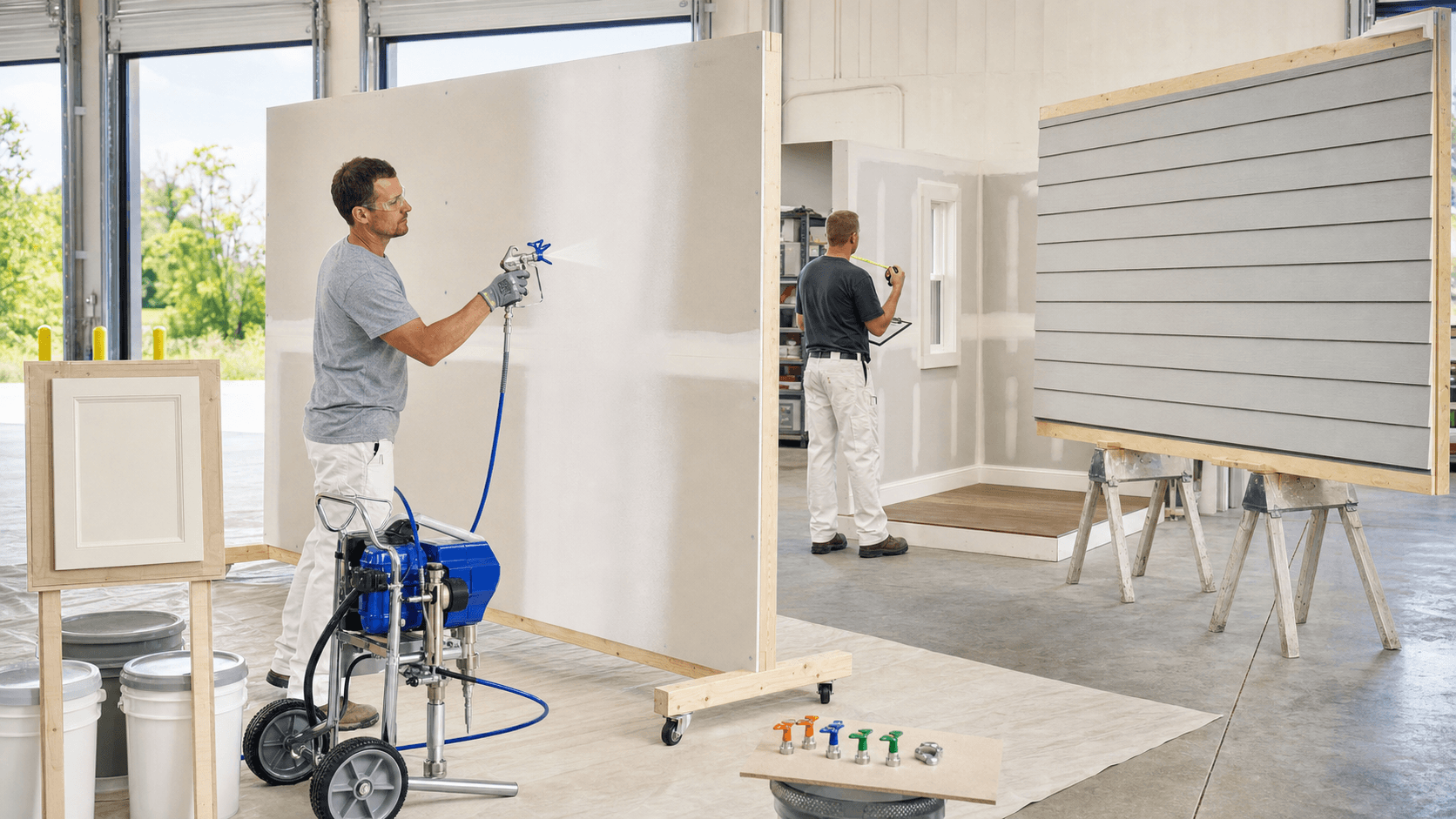
- High-volume: Full siding jobs, commercial buildings, or outdoor structures. This is where spraying speed and power have to line up with surface area and coatings.
Some larger jobs split into phases. You may start with heavier coatings, then move to light finishing passes. Planning ahead for gear size that keeps up with those transitions helps avoid project hold-ups or swapping tools mid-job.
What Kind of Materials Are You Spraying?
Another part of picking the right sprayer comes down to what exactly you're putting through it. Not every sprayer handles every type of material well. Some coatings are much thicker and need sprayers that can move them without clogging or breakdowns. If you're running something heavy through the wrong gear, it won't just slow you down, it can damage the equipment.
Here's how it usually plays out:
- Thick materials like primers or elastomerics often need stronger pumps and wide spray tips
- Lighter finishes such as stains or general-purpose coatings work fine with smaller gear setups
- Specialized materials may need exact tips, spray pressures, or filters to prevent uneven layers
Even if you're using a sprayer that's built by a known brand, it's the attachment pieces, tip sizes, and hose strength that decide how smooth that spray job goes. One small mismatch in a fitting can result in full job stoppage mid-day. That's something we try to help people avoid by starting with what's going through the sprayer first.
When Time and Labor Matter Most
Time isn't something you usually get extra of once a job starts. That's why picking gear that helps the work stay moving is more than a convenience issue, it affects how soon you can finish and how often your crew has to stop. Paint sprayers that are too slow for the job size force longer hours or rushed finishes.
Here's why time-saving tools matter more than you'd think:
- The faster it loads and sprays, the fewer times your team has to repeat the same passes
- When multiple crew members are using the same unit, shared-use tools with simple controls can cut learning time
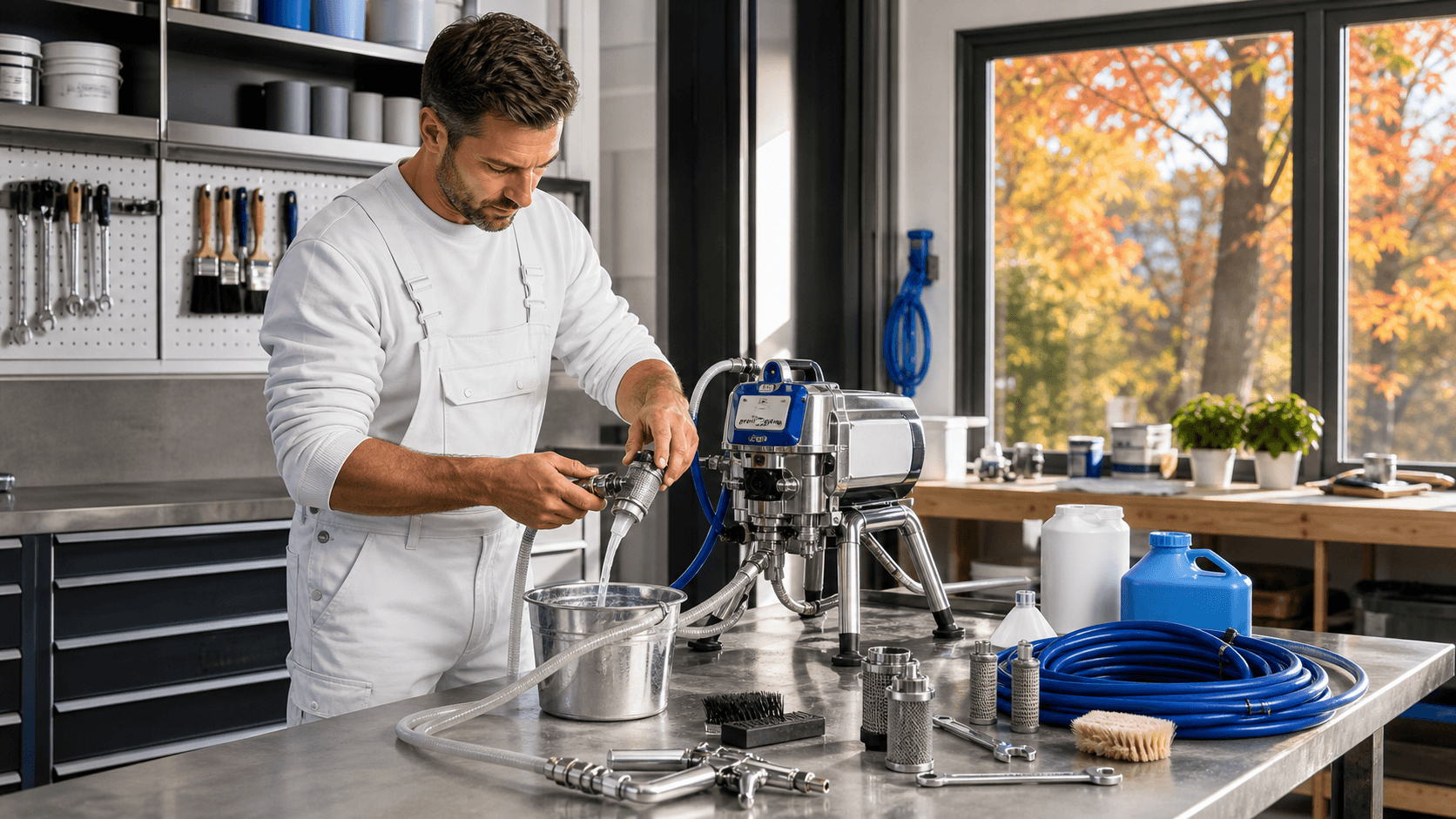
- Sprayers built with easy switch-out parts (like filters and tips) make cleaning at the end of the day a lot faster
By choosing sprayers that match the expected pace of the job, you're not just keeping things simple, you're avoiding rework. That alone can save more effort than most give credit for.
Why Brand Consistency Makes It Easier
Many jobs involve more than one sprayer or overlap between projects. That's where sticking with the same equipment brands pays off. Brands like Graco and Titan, for example, tend to keep their parts and tools compatible across multiple styles and models. That helps with training too, the gear looks and works pretty much the same, even when you're using different sprayers for different surfaces. At Integrity Supply, our Graco lineup covers contractor airless paint sprayers, spray guns, hoses, tips, filters, and repair kits, making it easier to standardize setups across different crews.
Here's why standardizing gear from trusted brands helps long-term:
- Interchangeable parts (tips, hoses, guns) speed up both repairs and mid-job changes
- You're less likely to get stuck trying to find uncommon pieces when something wears out
- New hires can learn faster when each sprayer works like the others they've seen
We put a lot of weight on sticking with brand setups that make daily work easier. There's value in consistency, especially during busy seasons. When spray tools stay within brand design, a lot of guesswork disappears from the job.
How Retailers Like Integrity Supply Help You Choose
Paint jobs usually don't start with the sprayer, they start with questions. How much paint? What type of coating is being used? Where's the job happening? These are things that usually get discussed with suppliers before the gear is even pulled. That's a big part of why choosing your supplier matters just as much as choosing the gear itself.
Here's what happens when the right help is part of the process:
- Staff who ask about the work being done can recommend gear that fits that job, not whatever's on the shelf
- If compatibility or repair is a concern, being able to get tips, filters, and parts at the same place keeps jobs moving
- Real-life usage advice helps avoid overbuying or picking the wrong type of gear just because it's available
When the retailer understands what brands like Graco offer and how those tools function on-site, they're not just selling, they're helping plan the job in a way that supports less downtime.
Get Jobs Done Right the First Time
Every job gets easier when the equipment fits the size of the work. A Graco paint sprayer can be the right tool, but only if it lines up with your spray volume, coating type, and crew setup. Choosing the wrong size sprayer doesn't just slow you down, it often leads to wasted materials and more cleanup.
Consistency, brand familiarity, and support from experienced supply partners all help get the right fit the first time. Whether you're prepping for a large project rollout or finishing up multiple fast-turn jobs, starting with a matched-up sprayer gives the whole crew a smoother run from first coat to finish.
Sorting through your spray equipment options and looking for a solution that keeps pace with your work can be challenging. We carry trusted brands built for real job demands because matching the right setup to the scale of your projects matters as much as selecting the right material. When speed, reliability, and compatibility count, it helps to begin with a tool you recognize. Browse our options and see how a graco paint sprayer can fit into your project mix. Call Integrity Supply today and let us help you select what works best.