Stop Wasting Paint on Rough Walls
High-texture walls can make a paint job feel twice as hard. Popcorn ceilings, knockdown, orange peel, and rough plaster grab paint, hide missed spots, and slow every coat. When we use the wrong paint roller, we work harder, burn through more paint, and still see thin areas once the light hits.
By understanding different types of paint rollers, nap thickness, and core construction, we can get better coverage in fewer passes. Late-summer is a common time for interior refreshes before school and exterior repaints before cold Ohio weather rolls in. That is also when the changing light angles make texture and missed spots stand out. In this guide, we will walk through how to match the right roller to your surface, avoid common coverage mistakes, work faster on big jobs, and know what to look for in pro-grade tools from an online distributor like us at Integrity Supply.
Why High-Texture Walls Need Different Rollers
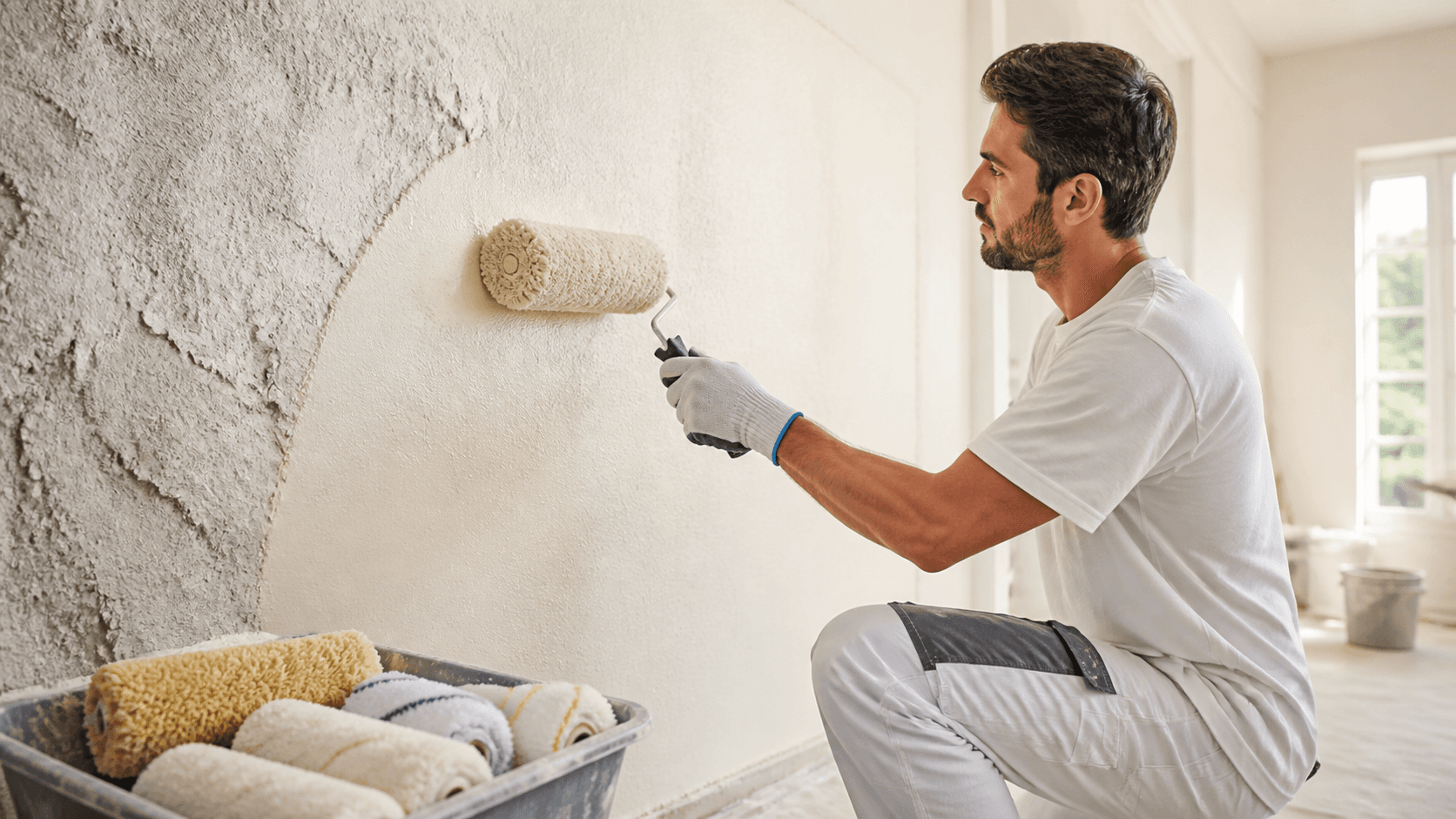
High texture is more than just a little rough. On popcorn, heavy knockdown, or rough plaster, the surface has deep valleys and sharp peaks. A standard roller only touches the high points, so paint skips the low spots. That is when we see flashing, holidays, and strange sheen changes once the paint dries.
That rough surface also means a lot more real area for the paint to cover. More texture means:
- More paint soaking into tiny pockets
- More trips to the tray or bucket
- More time on the ladder and more arm fatigue
When the nap on the roller is too short, it rides on top of the texture instead of pushing paint into it. That leads to:
- Extra coats to get coverage
- Uneven finish when the room light shifts
- Frustration when we notice misses only after cleanup
On textured surfaces, a few roller details matter most:
- Nap length, how long the fibers are
- Roller diameter, standard vs jumbo or high-capacity
- Core material, including solvent resistance
- Fabric type, woven vs knit, synthetic vs natural
Once we pay attention to those details, pro-grade rollers start to feel less like an upgrade and more like a smart way to save time and effort across the full project.
Matching Types of Paint Rollers to Heavy Texture
Not all roller covers are built to do the same job. On smooth walls, a short nap is fine. On high texture, that same cover is almost working against us. Matching nap length and roller style to the wall makes a big difference in how fast we can move.
For most textured interiors, we see three main roller options:
- Around 3/4-inch nap
Good for light to medium textures like orange peel or light knockdown. Long enough to reach into the shallow low spots, but not so long that it throws paint everywhere.
- Around 1 to 1 1/4-inch nap
Better for heavier texture like deep knockdown, rough plaster, or older ceilings with a chunky finish. The extra length helps the roller press paint into the valleys without pressing so hard that we crush the texture.
- Specialty high-capacity rollers
Built for masonry, stucco, or brick. These covers often have thick, dense fabric that holds more paint per load and stands up to rough mineral surfaces.
Fabric and core matter too, especially on rough walls and exteriors. Knit fabrics usually hold more paint and handle abrasion better than very smooth woven covers. On textured exteriors, where we might be using specialty primers or elastomeric coatings, a strong, solvent-resistant core helps keep the cover from softening or splitting halfway through the job.
Size also plays a role:
- Mini-rollers help around tight spots, fixtures, and edges of heavy texture.
- Jumbo covers and 18-inch frames help on big ceilings and long walls, keeping pressure more even so we avoid lap marks.
- Standard 9-inch frames still work, but pairing them with the right nap and a sturdy frame is key.
When we start thinking about types of paint rollers as a matching game between tool and texture, coverage gets more predictable, indoors and out.
Pro Techniques for Smoother Results on Rough Walls
Even with the right roller, how we roll matters. Rough walls punish dry rollers and rushed technique, especially in hot August conditions when paint sets faster.
A few core habits help:
- Load the roller fully by rolling it several times in the tray or bucket grid until the nap is evenly wet.
- Avoid dry rolling. Once the cover starts to sound scratchy, reload instead of pushing it.
- Work in smaller sections when it is warm so we can keep a wet edge and blend each pass.
Use a "W" or "M" pattern to spread paint, then gently back-roll over the area. On the first passes, a little more pressure helps push paint into recesses. On the final passes, lighten up to smooth out the stipple and blend overlaps.
Priming and product choice can also help with rough walls:
- High-build primers can soften harsh texture and help hide small surface flaws.
- Choosing flatter sheens on very rough surfaces can keep imperfections from standing out in raking light.
- Quality paint paired with the right roller can sometimes cut one whole extra coat, especially on repaints with a similar color.
Seasonal tricks matter too. On exteriors, start on the shaded side of the house while the sun is strong, then work around. Use extension poles so we keep steady pressure without stretching and stay off ladders as much as possible. For ceilings and tall walls, steady footing and good safety gear will always beat rushing.
Essential Gear to Pair with Your Texture Rollers
Texture work throws more splatter and is harder on tools than smooth-wall painting. A good setup keeps the mess under control and helps the crew move faster.
Helpful accessories include:
- Heavy-duty roller frames that do not flex under pressure
- Adjustable extension poles for ceilings and high walls
- Deep-well roller trays or bucket grids for long-nap covers
- Sturdy drop cloths to catch extra drips and splatter
Late-summer projects also raise safety concerns, indoors and out. Old textured ceilings can release dust when brushed or rolled. It makes sense to use:
- Non-slip shoe covers or stable shoes for ladders and plastic-covered floors
- Respirators or masks when working around old texture and ceiling dust
- Protective eyewear to block falling bits and splatter
- Stable ladders or scaffolding for tall interiors and exterior gables
Pro-grade supplies from online distributors help keep results consistent from job to job. When we standardize on certain roller types and stock plenty of matching covers, everyone on the crew knows what to expect. That keeps the finish even across rooms, buildings, and phases.
Cleaning and storage matter too:
- Wash reusable covers right after use, before paint hardens.
- Spin or shake out extra water and let them dry standing on end so the nap does not flatten.
- Toss rollers that are matted, shedding, or out-of-round instead of fighting them on the next project.
- Store frames, poles, and grids in a clean, dry spot between phases.
Upgrade Your Roller Strategy for Every Textured Job
When we understand which types of paint rollers are built for high-texture walls, nap lengths stop feeling random and start feeling like a real plan. The right nap, fabric, and core can cut passes, save effort, and give a more even finish with fewer callbacks for touch-ups.
This is a good time to take a hard look at the rollers we are using on textured surfaces. Are we trying to coat popcorn with a short smooth-wall cover? Are our rollers wearing out mid-job or leaving loose fibers on rough plaster? A small change in roller choice now can pay off in faster projects as we head into the busy fall season.
At Integrity Supply here in Ohio, we focus on stocking professional-grade painting tools, safety gear, hardware, and construction supplies that stand up to real-world job sites across the U.S. When we pair smart roller choices with solid technique, high-texture surfaces become just another planned task, not a surprise headache.
Get Started With Your Project Today
Explore our curated selection of types of paint rollers to match the specific needs of your next job, from smooth walls to textured surfaces. At Integrity Supply, we focus on durable, professional-grade tools so you can work efficiently and achieve a consistent finish. If you have questions about which products are right for you, contact us and we will help you choose with confidence.
John Colavecchio is the President and CEO of Integrity Supply, an Ohio-based supplier of painting, safety, hardware, tools, and construction-related products. With Integrity Supply founded in 2000 and serving contractors, painters, and trade professionals for more than two decades, John brings practical industry knowledge to articles covering paint supplies, spray equipment, job-site tools, and professional product selection. His content is written to help contractors and serious DIY customers choose the right products, avoid common project mistakes, and get better results from trusted industry brands.