Cut Downtime and Complaints in Occupied Spaces
Painting an office or retail space while people are still working there is a balancing act. You need to move fast, keep the finish clean, and avoid turning the place into a noisy, dusty mess.
Traditional rollers and brushes can slow everything down. They stretch timelines, keep ceilings and corridors tied up longer, and often mean more trips through the same space. That leads to more traffic, more interruptions, and more chances for tenants and staff to get annoyed.
With the right paint sprayer equipment and accessories, crews can cover more surface in less time, keep overspray under control, and stay on good terms with property managers and facility teams. In this article, we will look at how to choose sprayers for occupied interiors, what specs matter, how to control noise and overspray, and some job-tested setup tips for commercial spaces that have to stay open while you work.
Understanding the Demands of Occupied Commercial Sites
Occupied commercial buildings come with rules, people, and fragile stuff everywhere. You are working around customers, staff, and sometimes sensitive equipment that cannot be shut down or moved.
Common limits you have to plan around include:
- Set business hours with only small after-hours windows
- Public foot traffic through corridors and lobbies
- Offices that need quiet for calls or meetings
- Higher housekeeping expectations in medical, office, or school settings
Fall and early winter bring their own quirks, especially in places like Ohio and similar climates. HVAC systems are running more, windows are closed, and humidity can shift from dry to damp. That affects ventilation because you rely more on mechanical airflow, and it can change cure times near cooler exterior walls or glass. It may also influence how fast certain coatings level and set when sprayed.
Good communication with the property manager is just as important as the right sprayer. Before you start, confirm:
- Approved night or weekend work windows
- Noise limits during normal hours
- What must be covered or sealed off, like servers or medical devices
- Where you can stage equipment and handle cleanup
When these points are clear, it is much easier to match the sprayer setup to the space.
Matching Sprayer Types to Interior Workloads
Not every sprayer is right for every task. In occupied commercial spaces, it helps to think in zones: big surfaces for production and detail areas for finish work.
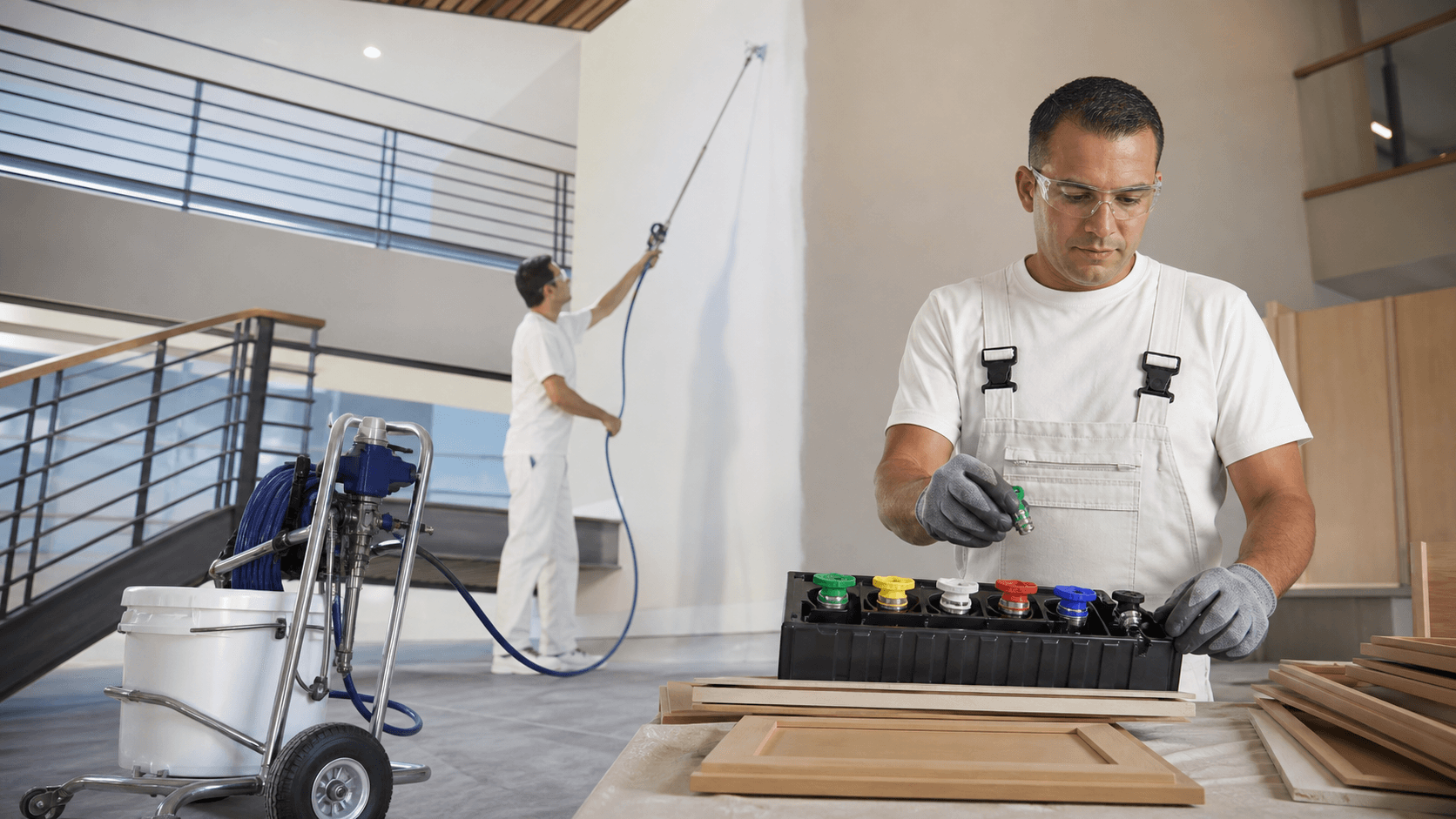
Airless paint sprayer equipment is usually the workhorse for:
- Long corridors and open office walls
- Acoustic or drywall ceilings
- CMU or block stairwells and mechanical rooms
Airless units move material quickly, give even coverage, and can reach high ceilings with extensions. They are ideal when you need to finish large square footage between closing time and the morning rush.
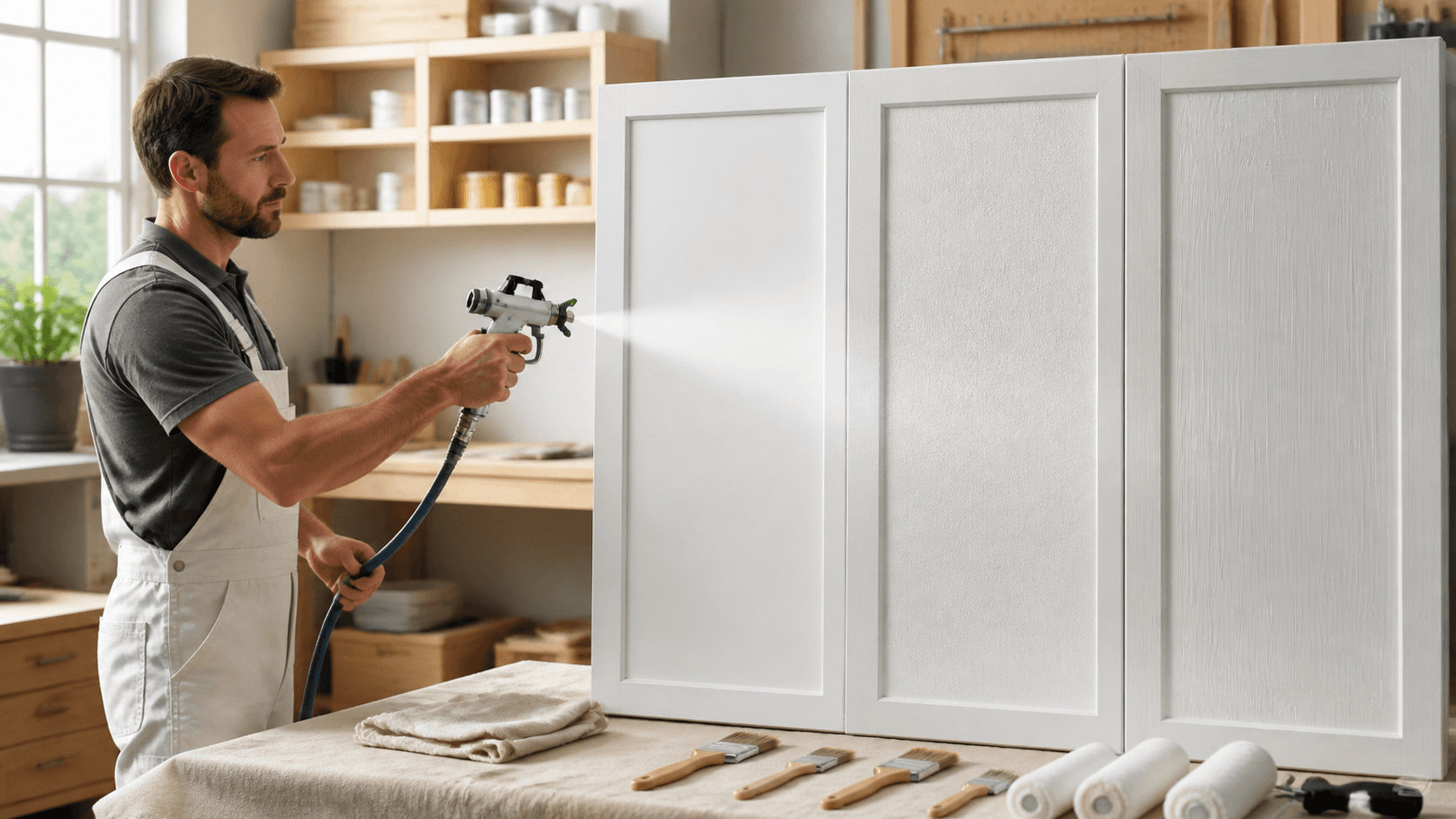
For doors, trim, millwork, and fixtures, speed is not the main goal. Here, HVLP and fine-finish sprayers make more sense because they offer tighter control of overspray, smoother finishes on metal frames and woodwork, and better results where people will see the surface up close.
You also have to think about the size and style of the sprayer body. Small portable electric units are great for single suites and quick touchups, cart-style sprayers help when you need long hoses for halls and higher floors, and higher-output rigs shine on multi-floor or multi-tenant jobs where several painters share lines and tips in phases. The key is to scale the equipment to the project so you are not dragging a huge rig into a small suite or underpowering a large building.
Key Specs and Site-Friendly Features
In busy interiors, a few specs matter more than raw horsepower. Adjustable pressure is near the top of the list. With good pressure control, you can dial down for fine-finish or tight areas and bump up for higher ceilings and heavy block without changing machines.
Other important specs and features include:
- Tip options that match your coatings and target pattern sizes
- Hose length so you can park the unit away from busy areas
- Compatibility with common commercial paints and primers
Practical details matter just as much on occupied sites. Noise level matters most near conference rooms and medical spaces, and cord and hose management is essential so you do not create trip hazards. Portability also plays a big role when you are dealing with elevators, stairs, and narrow corridors.
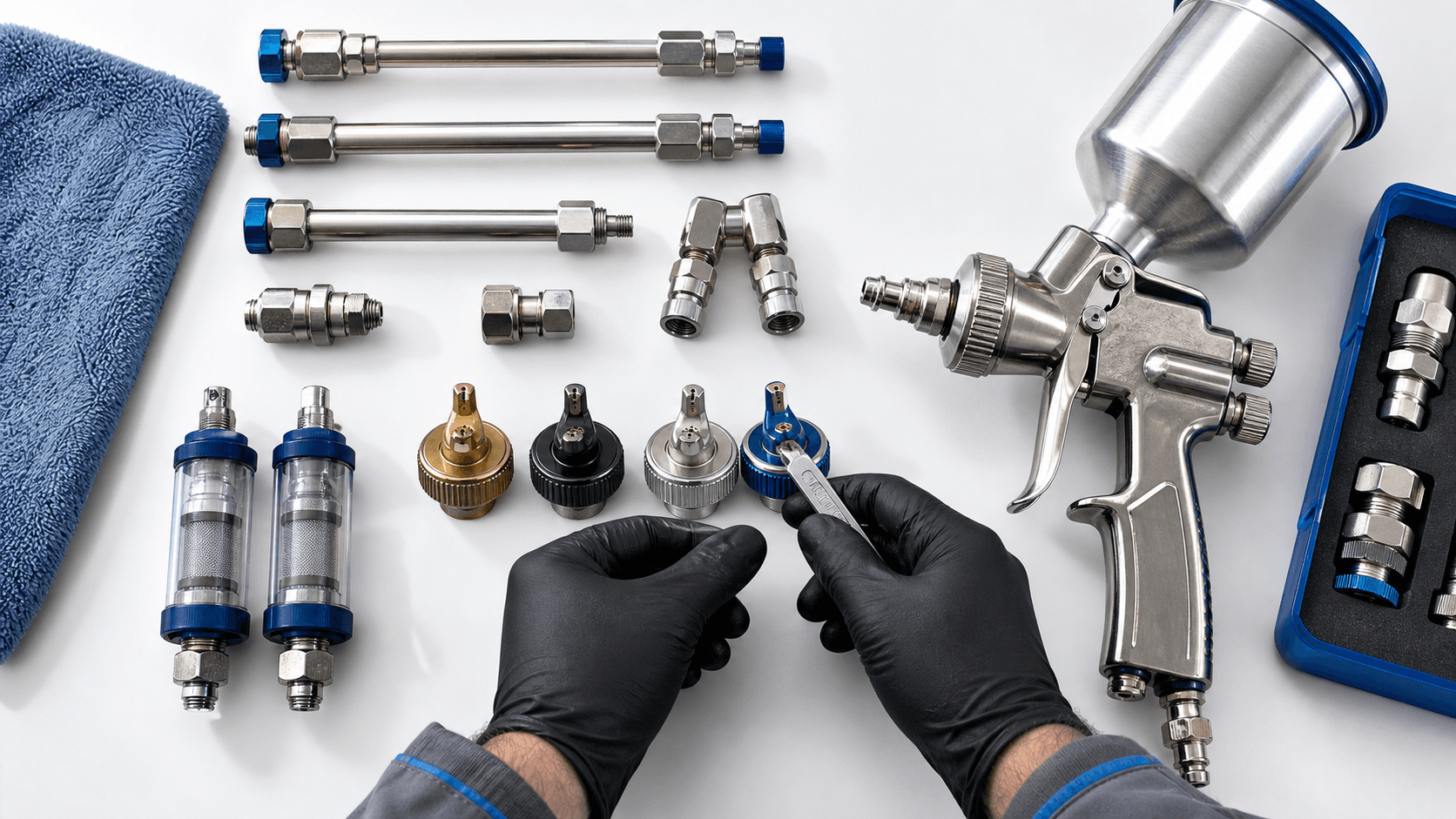
Filtration and cleaning are easy to overlook, but they directly affect downtime between phases. Good filters and easy access to them help crews:
- Reduce tip clogs and pattern issues
- Flush and switch colors quickly
- Keep the sprayer reliable through long night shifts
Controlling Overspray, Noise, and Disruption
Overspray is one of the biggest worries in active buildings. The good news is that gear and technique go a long way.
For overspray control, focus on:
- Right-size tips so you are not throwing more material than you need
- Lower pressure settings that still give a clean pattern
- Extension poles that let you spray ceilings and high walls from the floor
- Shields or spray guards near lights, grids, and fixtures
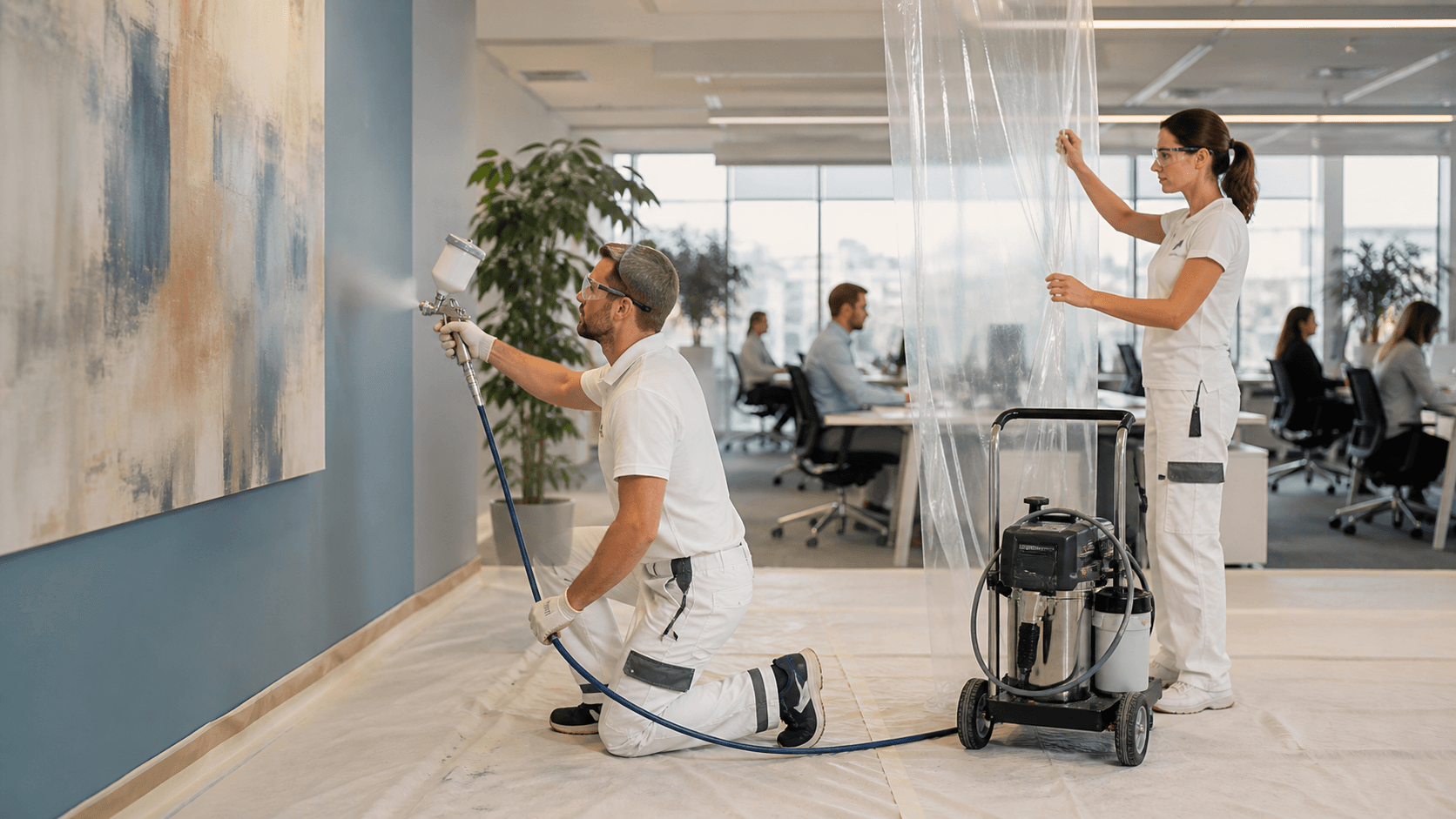
- Tight masking on furniture, computers, flooring, and vents
Noise management is just as important. Simple steps help:
- Choose quieter electric sprayers when possible
- Schedule loud flushing or grinding before or after business hours
- Stage machines in closets, copy rooms, or away from heads-down work zones
To keep disruption low, plan your workflow around people, not just walls. Phasing spaces allows tenants to shift to other areas while you spray, and plastic walls with zipper doors can separate clean and work zones. Low-odor coatings can also help when specification allows, and clear, safe paths with signs and clean drop cloths reduce complaints and safety issues.
These habits make property managers much more willing to approve spray work in open buildings.
Seasonal Planning and Job-Ready Setup Tips
Fall brings shorter daylight and cooler edges around exterior walls, curtain walls, and entry areas. That can slow dry times and change how coatings behave. Before you spray those transition zones, check:
- Surface temperature near outside walls
- Drafts from doors, loading docks, and vestibules
- Whether you need a slightly different tip or pressure for thicker material
End of year also means more tenant renewals, budget deadlines, and holiday events. Fast, efficient spraying helps you:
- Turn spaces between meetings and events
- Hit tight completion dates for lease changes
- Wrap work before decorations and seasonal traffic pick up
Before the busy season, it is smart to give every sprayer a simple health check:
- Inspect hoses for soft spots, cuts, or kinks
- Check tips for wear that can blow your pattern wide
- Clean or replace filters so you start with good flow
- Look at seals and fittings for leaks
On each shift, a consistent setup routine keeps things safe and smooth. Good habits include:
- Planning your layout and where the sprayer will sit
- Staging paint, strainers, tips, tape, and plastic before you pull the trigger
- Verifying power availability and load limits with building teams
- Testing pattern and pressure on scrap board before you touch finished surfaces
Safety needs the same level of care. Make sure you:
- Use proper lifts or platforms, and fall protection on high ceilings
- Match respirators to the coatings in use, with fresh filters
- Tape down cords and hoses to avoid trips near public paths
- Follow building rules for signage and blocked areas
At the end of each shift, a clean exit goes a long way with tenants and managers. Flush sprayers correctly, remove or secure gear, pick up masking if the phase is done, and leave the space broom-clean so people can come in the next morning without stepping over your work. When crews are trained and equipped this way, spray work in occupied spaces stops feeling risky and starts feeling routine.
Get Started With Your Project Today
If you are ready to work faster and get a smoother, more consistent finish, explore our curated selection of professional-grade paint sprayer equipment. At Integrity Supply, we stock reliable tools and accessories so you can focus on the quality of your work instead of worrying about your gear. Have questions or need help choosing the right setup for your next job? Simply contact us and our team will guide you.
John Colavecchio is the President and CEO of Integrity Supply, an Ohio-based supplier of painting, safety, hardware, tools, and construction-related products. With Integrity Supply founded in 2000 and serving contractors, painters, and trade professionals for more than two decades, John brings practical industry knowledge to articles covering paint supplies, spray equipment, job-site tools, and professional product selection. His content is written to help contractors and serious DIY customers choose the right products, avoid common project mistakes, and get better results from trusted industry brands.