Faster Finishes on the Toughest Summer Jobsites
Peak summer can feel like a race, with long days, stacked schedules, hot sun on the siding, and tight deadlines on every project. Crews have to move fast, keep quality high, and still deal with heat, wind, and awkward surfaces.
This is where electric airless paint sprayers start to earn their keep. On big exteriors, multi-unit properties, or commercial repaints, they help you cover more surface in less time, with a smoother, more even finish. In this article, we will walk through common jobsite problems we hear about at Integrity Supply, here in Ohio, and show when electric airless units are the smart solution for pros and serious DIY users.
When the schedule is packed and daylight feels too short, these sprayers give your crew a real advantage. You can keep production moving, protect your people, and still turn out work you are proud to put your name on.
When Brush and Roller Are Too Slow to Compete
On some projects, brush and roller feel like trying to cut a whole field with a pair of scissors. They still have their place, but there are jobs where they become the bottleneck.
Think about:
- Long hotel or apartment hallways
- Large siding jobs on homes or small commercial buildings
- Production repaints between tenant turnovers
- Big drywall areas in offices or retail spaces
In busy summer months, it is hard to throw more labor at every project. Electric airless paint sprayers let one or two painters do the work that might have taken a larger crew with traditional tools. You get more uniform mil build, better coverage around small surface changes, and fewer holidays that show up in harsh afternoon light.
A few key advantages you see right away:
- Faster coverage on wide, open surfaces
- More consistent finish from room to room or unit to unit
- Less time going back for touchups and missed spots
That consistency matters when the property manager walks the job the same day you are trying to clean up and move on.
Tackling High and Hard-to-Reach Surfaces Safely
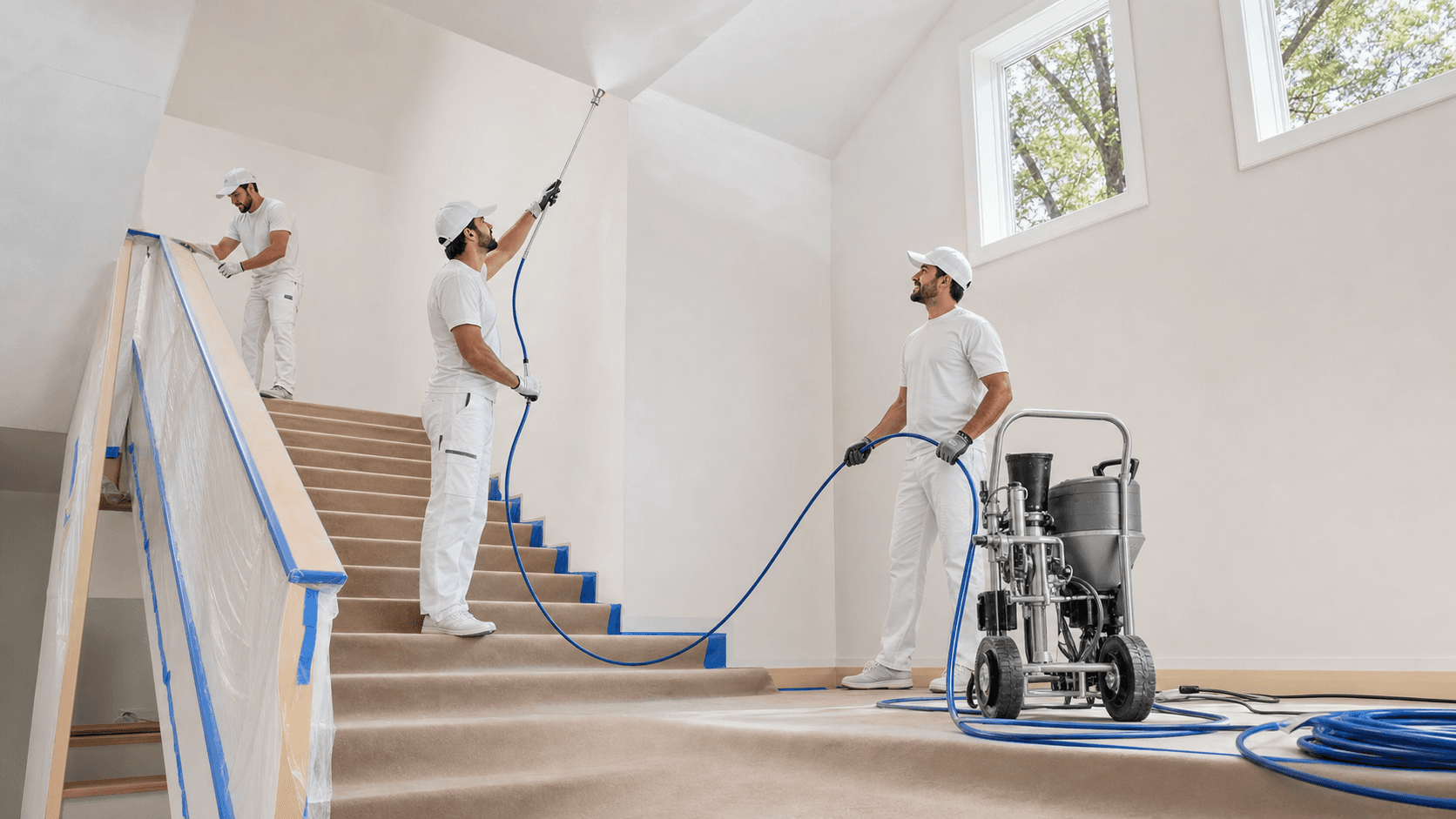
Tall exteriors, stairwells, and vaulted ceilings can slow a crew to a crawl. When every coat means more ladder moves, more time in awkward positions, and more chances for slips, productivity and safety both suffer.
Electric airless paint sprayers help in a few ways:
- Extended poles to reach high walls and ceilings from safer positions
- Longer hoses so the pump can stay on the ground or on a stable platform
- Tip options that let you fan out material evenly, even when you are reaching
Instead of climbing up and down to reload a roller, your crew can stay in place longer and focus on clean, controlled passes. That cuts down fatigue on hot days and reduces how often people are working at height.
From a safety and OSHA standpoint, this can help you:
- Limit time on ladders and step stools
- Work more efficiently from staging or aerial lifts
- Plan hose routes to keep walkways clear and reduce trip hazards
When the job involves multiple stories or tricky stair runs, getting the right sprayer setup in place before you start can save a lot of headaches later.
Beating Heat, Wind, and Weather Windows in Midsummer
Summer heat and humidity can turn a simple exterior project into a race against the clock. Coatings can skin over fast, especially on sun-baked siding, stucco, block, or metal surfaces. With brush and roller, you might struggle to keep a wet edge and see lap marks or uneven sheen.
Electric airless paint sprayers let you move quickly during the best parts of the day. Crews can start early, put down full, even coats while surfaces are cooler, and then get out of the sun before things get sticky.
In light wind and changing weather, control is everything. Smart crews pay close attention to:
- Tip size, to balance coverage and overspray
- Pressure settings, using only as much as needed for good atomization
- Shields or temporary barriers near windows, cars, and landscaping
Using electric instead of gas can also cut down on noise, which is helpful in quiet neighborhoods or HOA communities. You still have strong spray power, but you are not adding engine noise to an already busy jobsite environment.
Handling High-Build Coatings, Primers, and Specialty Products
Some coatings simply do not belong on a big job with nothing but brush and roller. Elastomeric wall coatings, block fillers, certain corrosion-resistant primers, and heavy-duty industrial paints can be thick and stubborn.
When you match the right electric airless paint sprayers to these products, you get:
- Enough power to move thicker materials
- Better atomization so the coating lays down smooth
- Less clogging when you use the correct tips, filters, and hoses
That is especially helpful on masonry, steel, weathered exterior surfaces, and other challenging substrates. Good equipment setup means less wasted product, more reliable film build, and fewer callbacks to fix thin spots or missed areas.
Before spraying specialty coatings, most pros pay attention to:
- The manufacturer's guidance on spray tip sizes
- Filter mesh that fits the material thickness
- Hose length and diameter that keep pressure steady
Taking a few minutes to match your sprayer to your coating can save hours of frustration during the work.
Choosing the Right Sprayer for Real Jobsite Conditions
Not every crew needs the same electric airless system. The right pick depends on the type of work you do day in and day out, and the kind of power and access you actually have on site.
Key questions to ask:
- What size projects do we handle most often, small interiors or big exteriors?
- What coatings do we spray, standard wall paint or heavier primers and elastomerics?
- What power is common on our jobs, standard residential circuits or commercial power?
- How often do we move the unit up stairs, through tight spaces, or across a site?
- How experienced is the crew with spray equipment?
In general, you will see three broad categories:
- Small contractor units, good for residential interiors, trim, and smaller exteriors
- Mid-size professional rigs, aimed at regular production repaint and light commercial work
- High-output models, built for big exteriors, heavier coatings, and multi-gun setups
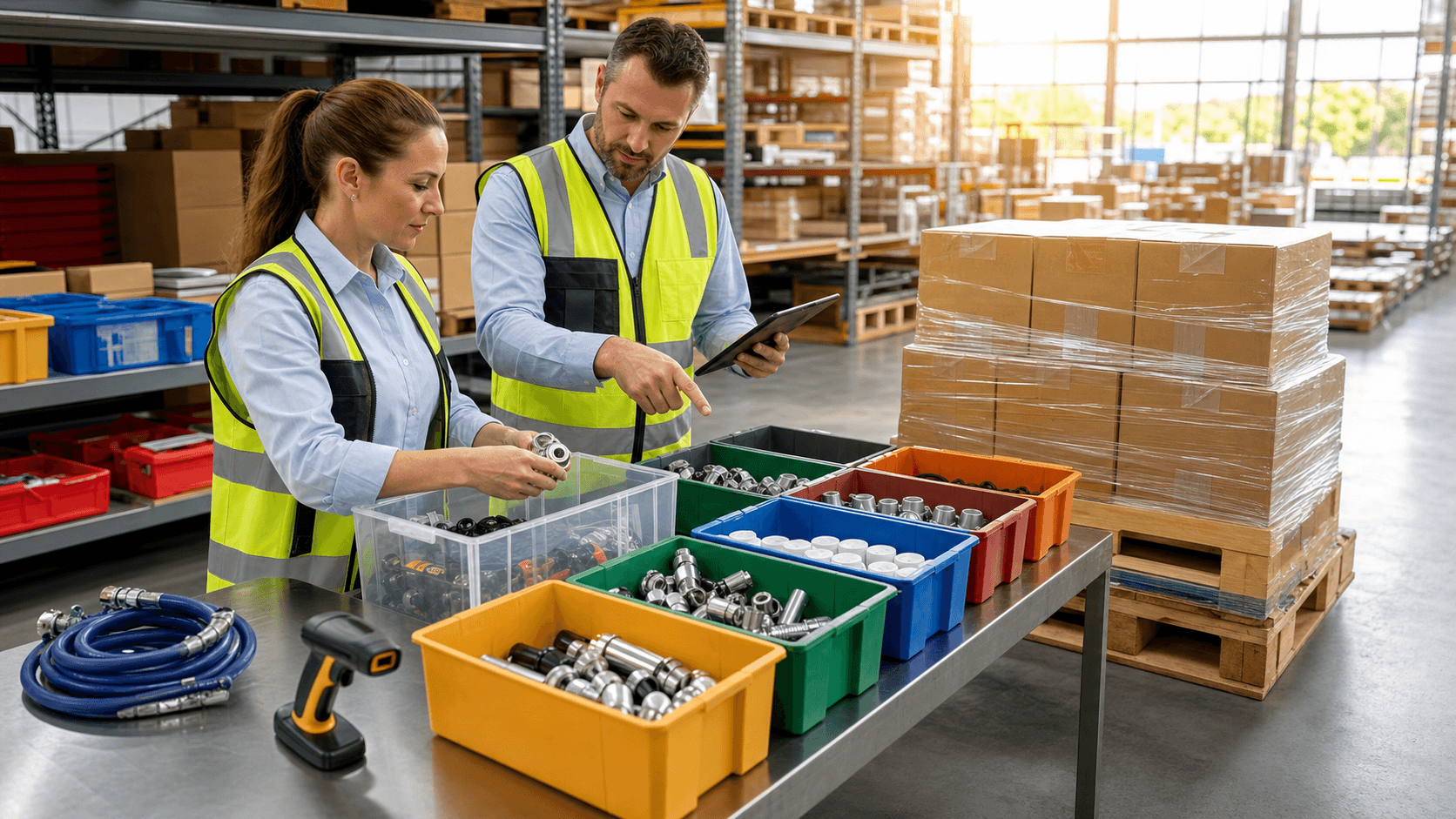
Support also matters. Tips, filters, hoses, guns, and repair parts all keep the sprayer useful season after season. Suppliers that understand jobsite needs can help match units and accessories to real work, not just what looks good in a catalog.
At Integrity Supply, we focus on professional-grade tools and products for contractors and serious DIY users, so our goal is to help you choose equipment that fits how you actually work, from summer through fall and beyond.
Get Started With Your Project Today
Upgrade your painting workflow with our reliable electric airless paint sprayers designed for consistent coverage and professional results. At Integrity Supply, we help you choose the right equipment so you can finish jobs faster and with less waste. If you have questions about specs, applications, or availability, simply contact us and we will walk you through your options.
John Colavecchio is the President and CEO of Integrity Supply, an Ohio-based supplier of painting, safety, hardware, tools, and construction-related products. With Integrity Supply founded in 2000 and serving contractors, painters, and trade professionals for more than two decades, John brings practical industry knowledge to articles covering paint supplies, spray equipment, job-site tools, and professional product selection. His content is written to help contractors and serious DIY customers choose the right products, avoid common project mistakes, and get better results from trusted industry brands.