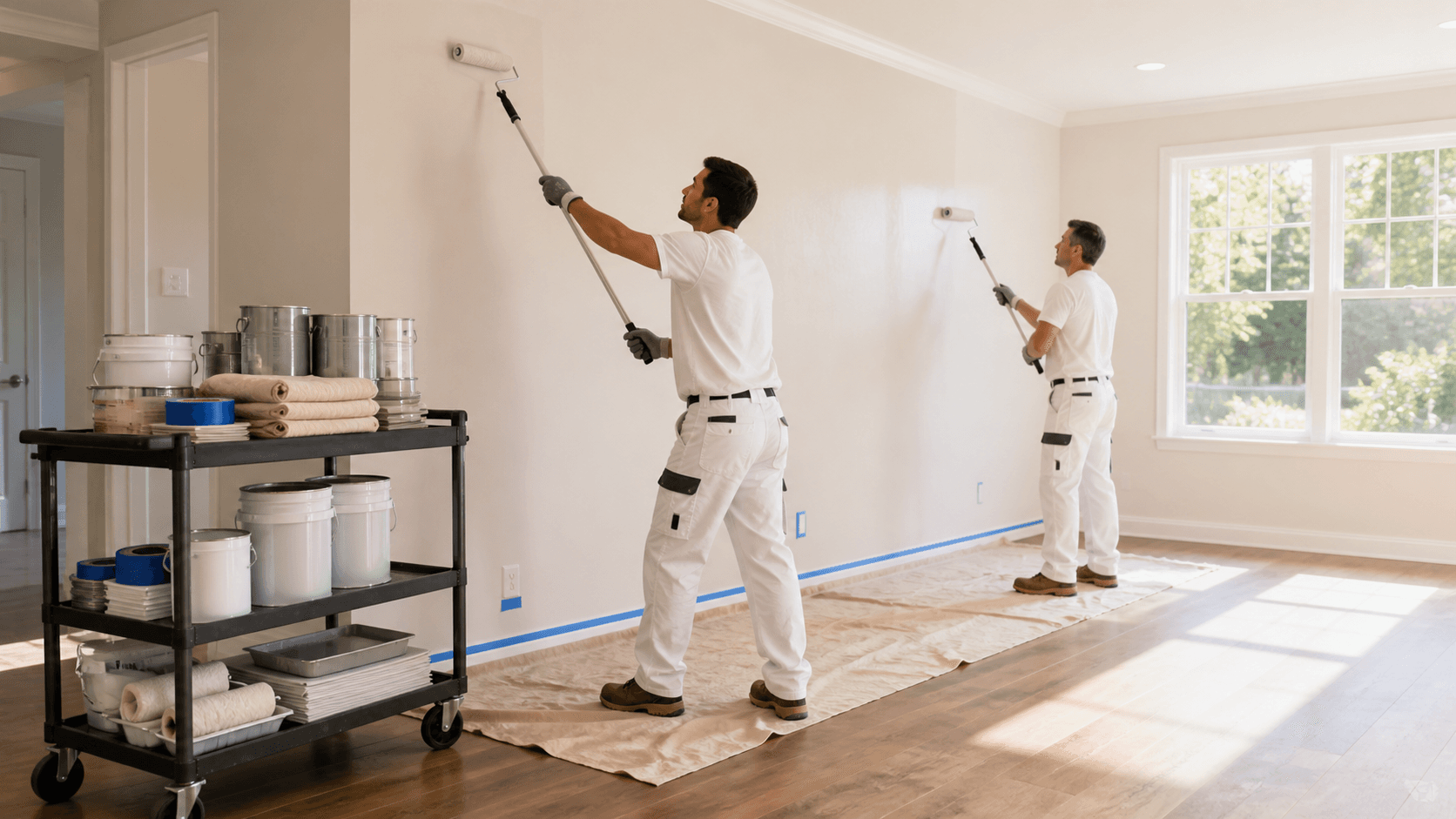
Turn Vacant Units Faster with Pro-Level Paint Strategies
Slow turns hurt. Every extra day a unit sits empty means lost rent, rushed punch lists, and leasing teams trying to explain why a "ready" unit still smells like fresh patch and touch-up. For most properties, paint is where everything either clicks into place or starts to slip.
Paint is one of the heaviest-impact tasks in a turnover. It changes how a unit looks, how it feels, and how fast you can move to flooring, cleaning, and final inspection. When you are pushing hard before the holidays or closing out Q4 occupancy goals, a slow paint schedule can drag the whole plan.
With the right commercial paint supplies, you can speed up turns, keep finishes consistent, and cut down on callbacks. We will walk through smart product choices, faster workflows, and better stocking habits that help your teams finish more units without burning out or cutting corners.
Why Paint Drives Your Turnover Timeline
Painting usually hits right after minor repairs and before flooring and deep cleaning. If paint slips even a day, everything behind it slips too. Flooring crews wait. Cleaners wait. Move-in dates slide, and everyone feels the pressure.
Delays often come from simple problems:
- Poor prep that leads to flashing and extra sanding
- Wrong sheen or color, which means repainting whole walls
- Cheap tools that shed, drag, or leave heavy texture
When those things happen, techs end up doing rework instead of moving to the next unit. During busy fall and pre-holiday seasons, that can snowball fast.
Standardizing your paint process across your portfolio helps avoid this. When every property uses the same colors, sheens, and tools, you can:
- Predict how long each unit will take
- Swap crews between buildings with less confusion
- Keep touch-up simple because everything matches
That consistency is one of the easiest ways to cut days off your average turn time.
Choosing Commercial Paint Supplies That Work Harder
Commercial paint supplies are built for daily use, not once-a-year projects. The difference shows up in coverage, finish, and how tired your crews feel at the end of the day.
Compared to typical consumer products, commercial-grade paints and tools often give:
- Better coverage per coat
- More durable finishes for busy hallways and living areas
- More forgiving open time so crews can blend and keep a wet edge
The tools matter just as much as the paint. Good rollers, frames, and extension poles are not fancy extras; they are speed tools. A well-matched roller nap lays down more paint in fewer passes. A solid frame does not flex. A comfortable pole saves shoulders and backs, which means more units finished each week.
Do not overlook prep materials. Quality masking tape, plastic, paper, and patching compounds can cut your prep time and reduce risk of:
- Bleed-through at trim and cabinets
- Plastic falling in high humidity or cold weather
- Patches flashing through the topcoat
When you keep brands and SKUs consistent across properties, crews do not waste time figuring out how a new product behaves. They already know how it covers, how it dries, and how it touches up. That familiarity turns into speed.
Speed up Turns with Sprayers and Smart Workflows
For multifamily communities or large portfolios, airless sprayers and other commercial paint supplies can change how fast you turn units. Sprayers make the most sense when:
- You are repainting full units, not scattered accent walls
- Ceilings and walls need full coverage
- You have enough units in a row to justify setup and cleanup time
High-capacity rollers and 5-gallon bucket systems work well too. They keep crews out of small trays and cut refilling time, especially in bigger units with tall ceilings.
A simple, repeatable painting sequence keeps everyone on the same page:
- Prep: patch, sand, mask, and cover floors
- Ceilings first: spray or roll, then cut-in edges
- Walls second: roll large areas, then cut around trim and fixtures
- Trim and doors last: use dedicated brushes or mini rollers
- Fast touch-up walk: check corners, behind doors, and around outlets
Color choices also affect speed. Many properties move to one neutral palette across units, then standardize sheen levels by room, like:
- Flat or matte for ceilings
- Low-sheen or eggshell for main living areas and bedrooms
- Semi-gloss for kitchens, baths, and trim
Staging is another time saver. Instead of chasing tools between units, keep:
- A shared cart per floor or building with core tools and supplies
- Ladders assigned to zones, not individuals
- A simple checklist taped inside each unit for painters to follow
When you move faster, you still have to stay safe. Make sure rooms are well ventilated, especially in cold weather when windows stay closed longer. Respirators are smart in tight spaces. Keep walkways clear, cord hoses and cords away from other trades, and mark any wet floors or fresh paint areas.
Stocking for Peak Season Without Overbuying
Fall and early winter often bring a rush of move-outs and move-ins before the holidays and harsh weather. The last thing you want is to be ready to paint and discover you are short on rollers, tape, or your standard wall color.
A simple forecasting framework can help:
- Look at your average monthly turnovers in past cooler seasons
- Note average gallons per unit by size and finish type
- Check upcoming lease expirations to spot spikes
From there, you can build a standard turnover kit that can be packed and sent to any property:
- 9-inch and mini rollers, frames, and extension poles
- Quality painter's tape in two or three widths
- Plastic, paper, and drop cloths
- Patching compound, caulk, and putty knives
- Touch-up bottles or small containers for quick fixes
Online suppliers that focus on commercial paint supplies make it easier to keep consistent SKUs and order in bulk when needed, with fast shipping so you are not sitting on too much stock. That just-in-time feel is helpful when storage space is tight or when the weather swings from warm to freezing and back again, like it often does here in Ohio.
Turn Best Practices Into Standard Operating Procedures
The real power move is turning all of this into a simple, written SOP that anyone on your team can follow. That SOP might cover:
- Approved products and colors
- Minimum prep standards
- Order of work inside each unit
- Final quality checks before sign-off
Train maintenance techs, in-house crews, and preferred contractors on those same standards and supplies. When everyone uses the same rollers, sprayers, tapes, and paints, you see fewer surprises and fewer callbacks.
Tracking a few basic metrics will help you fine-tune over time:
- Average paint days per unit
- Labor hours per unit
- Material use per unit type
If one property is always slower, you can compare products, tools, and workflow to see where the bottleneck sits.
We built Integrity Supply to support this kind of consistent, pro-level approach. From painting gear to safety, hardware, tools, and other construction products, we focus on helping trade professionals and serious users work faster with fewer headaches.
Get Started With Your Project Today
Equip your crew with reliable commercial paint supplies so every job is finished on time and up to spec. At Integrity Supply, we stock professional-grade products that help you work more efficiently and maintain consistent quality across every project. If you have questions about what to choose for your specific application, contact us and we will help you find the right solution.
John Colavecchio is the President and CEO of Integrity Supply, an Ohio-based supplier of painting, safety, hardware, tools, and construction-related products. With Integrity Supply founded in 2000 and serving contractors, painters, and trade professionals for more than two decades, John brings practical industry knowledge to articles covering paint supplies, spray equipment, job-site tools, and professional product selection. His content is written to help contractors and serious DIY customers choose the right products, avoid common project mistakes, and get better results from trusted industry brands.